Food hygiene and commercial cleaning experts in Brampton assist you in maintaining dining venues, food supply centers, bakeries, warehouses, and mobile food operations to code. They sanitize high-touch points, food-contact surfaces, equipment, floors, drains, restrooms, and food handling zones with approved chemicals, correct concentration, and documented exposure durations.
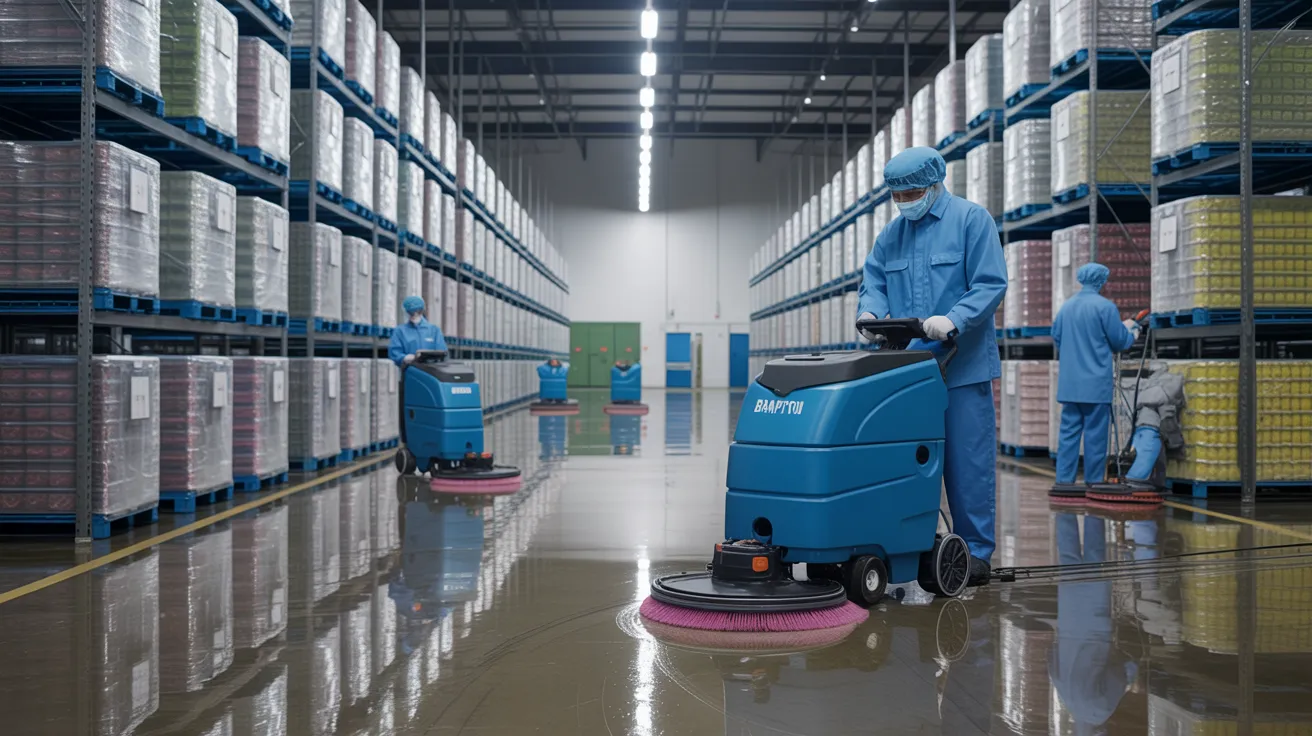
Essential Summary
- Sanitation experts from Brampton support restaurants, grocery departments, commissaries, warehouses, bakeries, schools, mobile vendors, and allergen-sensitive operations.
- High-touch surfaces, food-contact equipment, kitchens, floors, drains, restrooms, and storage areas are treated using zone-based workflows to eliminate cross-contamination.
- Approved providers check approved sanitizer dilution, alignment, and contact time, then log completion with samples, audits, and corrective-action records.
- Effective cleaning plans consider hazard, production rate, transitions, spills, and guidelines when allocating everyday, weekly, and cyclical tasks by location.
- Vendors should demonstrate HACCP, health regulatory expertise, safety training preparation, liability, credentials, colour-coded implements, and compliance-ready sanitation records.
Which Brampton Establishments Need Food Safety Cleaning?
Food safety cleaning is required for any Brampton facility that handles, maintains, prepares, packages, or offers food. Apply it to your establishment if it is subject to health inspections, food codes, or HACCP requirements. This includes eateries, cafes, warehouses, supermarket areas, meat markets, fish stands, convenience outlets, and institutional food areas.
You'll also need proper hygiene protocols in supply facilities, manufacturing operations, cold storage warehouses, bakeries, school food programs, reception halls, and delivery services. Seasonal and mobile ventures matter as well, including mobile kitchens, market vendors, and seasonal booths. Should your team process ingredients, portion ready-to-eat items, reheat products, or store allergens, your establishment requires written cleaning standards. In Brampton, hygiene stays mandatory; it comprises legal, operational, and consumer protection compliance.
What Do Brampton Cleaning Experts Clean?
Professional cleaning teams specializing in Brampton sanitize touched surfaces, food preparation areas, ground surfaces, and sanitary facilities in compliance with food safety regulations. Emphasis on these spaces stems from extreme cross-contamination risk, potential for accidents, and compliance issues.
If you comprehend their cleaning services, you'll successfully ensure your facility meets all operational and regulatory compliance needs.
Emphasizing High-Touch Surface Disinfection
implement see more a disinfection schedule
swapping cloths consistently, maintaining directional systems, and segregating cleaning supplies according to section. These measures keep your sanitizing system measurable, well-documented, and compliance-ready consistently.
Food Prep Areas, Flooring, and Sanitary Facilities
Brampton cleaning services focus on kitchens, floors, and restrooms as each zone involves different sanitation, slip-and-fall, and wellness risks. In industrial kitchens, you need degreasing on cook lines, equipment exteriors, drains, prep surfaces, and splash zones to minimize contamination and pest pressure.
You should also expect documented floor care. is also provided as part of the service.
In restrooms, cleaners treat touchpoints, fixtures, partitions, dispensers, and waste containers then refill supplies and eliminate odor. They also maintain restaurant cleaning supply rooms where product storage, sink cleanliness, and drain systems impact daily sanitation standards and worker protection.
Food Safety Cleaning Significance for Brampton Businesses
Brampton businesses need to establish proper sanitation practices for meeting health code requirements and obtaining approval. You also minimize cross-contamination by cleaning and sanitizing food-contact surfaces, equipment, and high-touch areas correctly. Most importantly, you safeguard public health by lowering the risk of foodborne illness in your facility.
Health Code Compliance
Since Brampton food establishments must follow mandatory safety protocols, your food safety cleaning directly influences your ability to meet health codes, ensure the safety of diners, and prevent regulatory penalties. You must maintain sanitized food contact points, written maintenance records, proper chemical use, and auditable operational standards that meet municipal and provincial inspection expectations.
When inspectors evaluate your operation, they evaluate whether your cleaning procedures supports protected inventory management, machinery hygiene, refuse management, and restroom sanitation.
Cross-Contamination Prevention
Adhering to regulatory guidelines requires your skill in preventing cross-contamination throughout daily food handling and cleaning. You need to separate raw ingredients from ready-to-eat foods, sanitize work stations after each task, and store cleaning supplies separately from food. Organized systems minimize contamination events and ensure consistent compliance during inspections.
Implementing allergen segregation helps ensure major allergens don't touch shared surfaces, containers, or equipment. Deploy dedicated cutting boards, color-coded tools, and strict utensil labeling so staff don't mix items while preparing or distributing. Require handwashing after handling fresh proteins, aquatic items, egg products, or allergen materials. Replace wiping cloths regularly, and validate disinfectant levels using test strips. When your team learns these guidelines per shift, you establish a more hygienic, safer workplace that satisfies Brampton's food safety needs daily.
Public Wellness Defense
When food safety cleaning deteriorate, you don't only risk a failed inspection—you raise the likelihood of food contamination striking customers, staff, and the larger Brampton community. You also undermine your responsibility in protecting public health, especially in busy food facilities where pathogens travel quickly through surfaces, equipment, and touchpoints.
You depend on sanitation protocols that remove soils, properly disinfect, and ensure effectiveness. This entails adhering to contact periods, utilizing authorized sanitizers, maintaining records, and coaching staff to fulfill health-unit expectations. These initiatives promote disease prevention by suppressing pathogens before affecting food surfaces or hands. In Brampton, robust sanitation shields vulnerable populations, minimizes disease spread, and proves your diligence. When you maintain standards, you exceed requirements—you substantially reduce risk and advance safer food handling throughout the city.
Why Is Cleaning Essential for Food Safety Compliance?
Following thorough cleaning protocols improves food safety compliance by decreasing contamination threats, preventing pathogen multiplication, and positioning your facility in accordance with sanitation requirements under HACCP-based programs and public health regulations. You verify that food-handling surfaces remain visibly clean and microbiologically controlled, backing documented preventive controls and inspection readiness.
Rigorous cleaning standards also reinforce allergen prevention by eliminating residues that can cause undeclared allergen exposure.
How Do You Arrange Commercial Cleaning Services?
Routines for cleaning work most effectively when established based on risk, production volume, and regulatory requirements instead of just a predetermined calendar.
facility shutdowns, seasonal soil accumulation, or pest-control management periods
Selecting the Right Brampton Cleaning Experts: Key Considerations
Screen providers initially by their food hygiene standards—not budget alone. You need to confirm that every company meets CFIA, public health, and HACCP standards for your operation. Demand insurance verification, WHMIS compliance, training records, and management systems. Evaluate technician understanding of contamination dangers, chemical safety, and documented sanitation practices.
Additionally, you need to evaluate service dependability and accountability. Obtain references from food facilities in Brampton, then review response times, corrective measures, and communication practices. Verify the company supports supplier audits and can deliver inspection-ready documentation when inspectors or external parties need proof. Verify equipment is maintained, color-coded equipment are applied correctly, and location-specific dangers are identified. A qualified provider protects compliance, product integrity, and your brand reputation.
Which components are contained in a Food Safety Cleaning Plan?
Create a written plan that clearly outlines every sanitation duty, guideline, and expectation prior to beginning production. You should document cleaning schedules, authorized products, mixing ratios, exposure periods, equipment, and testing procedures for each area, section, and machine. Be sure to include pre-operational inspections, corrective actions, and employee training requirements.
Your plan should also cover cross-contamination prevention, waste disposal, pest management measures, and scheduled documentation for restrooms, drains, floors, and food-contact areas. Specify how you'll distinguish raw from ready-to-eat operations, support ingredient tracking, and copyright accurate allergen labeling through validated cleaning between product changes. You should define accountability, maintain signed records, and review results against regulatory standards, HACCP controls, and customer requirements. When gaps appear, revise procedures immediately and re-educate staff.
Popular Asked Questions
Will cleaning services manage nighttime hours at Brampton facilities?
If you run regulated facilities, you'll also need records that support inspections and ensure compliance.
Can Brampton cleaning experts handle hazardous incidents?
Yes, you can find many Brampton sanitation experts offering emergency response options. They handle contamination, assess dangers, contain affected areas, and perform swift decontamination to reduce exposure and limit operational impact. You should confirm timeframes, training credentials, protocols, and procedures. If your facility needs compliance, choose a service that logs events, maintains standards, and supports audits.
Will green disinfectants sanitize safely food preparation areas?
Absolutely, green disinfectants prove to be appropriate for surfaces contacting food when you select products labeled food safe and satisfying regulatory requirements. You must confirm contact duration, dilution ratios, and rinsing needs in advance of use. Plant-derived products reduce toxic chemical contact, though you still need evidence of effectiveness against target microorganisms. For ensuring residue-free conditions, implement manufacturer instructions exactly and ensure the sanitizer meets applicable food industry sanitation standards.
Can cleaning schedules flex with seasonal variations?
Without question, cleaning plans are highly adaptable for seasonal production changes. Adapt schedules, personnel, disinfectants, and testing procedures to correspond to operational cycles while preserving regulatory compliance. Minimize production downtime by organizing sanitation around line changes, peak seasons, and usage patterns. Also update procedural documents, training, and environmental testing to address seasonal hazards, emerging allergens, or increased soil loads. Ongoing evaluations maintain the strategy effective.
Are commercial cleaners offering staff training on sanitation best practices?
Absolutely, commercial cleaners frequently provide employee education on sanitation best practices. Your staff gets instruction on proper chemical use, dwell times, cross-contamination prevention, machine takedown, and paperwork. They generally match instruction with HACCP, GMP, and CFIA or regional health authority standards. Many also perform health inspections to verify compliance, pinpoint weaknesses, and strengthen corrective measures. This enables you to sustain consistent procedures, pass inspections, and reduce food safety risks routinely.
Conclusion
By partnering with Brampton commercial cleaning and food safety professionals, you aren't just organizing—you keep your operation compliance-focused and your standards in compliance. From production areas to kitchen zones, every clean surface and organized space decreases contamination and prevents costly issues. By arranging service on the right schedule and adhering to a systematic cleaning protocol, you secure your team, customers, and your credibility. In a strictly regulated industry, hygienic conditions are mandatory—they're essential to successful operations.